
PARA PARRA – site of conscience
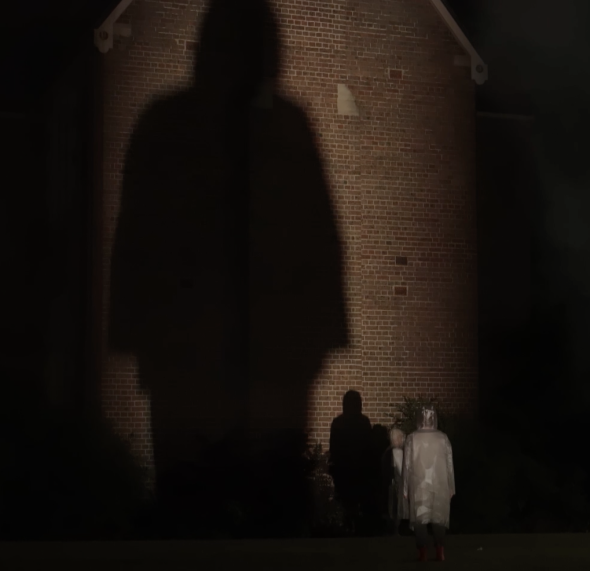
in the Parramatta Female Factory Precinct
’para’: at or to one side of, beside, side by side, beyond, past, by, beside, closely related, closely resembling, beyond, abnormal, fault
a suite of 4 videos by Martin Fox
for installation and screening
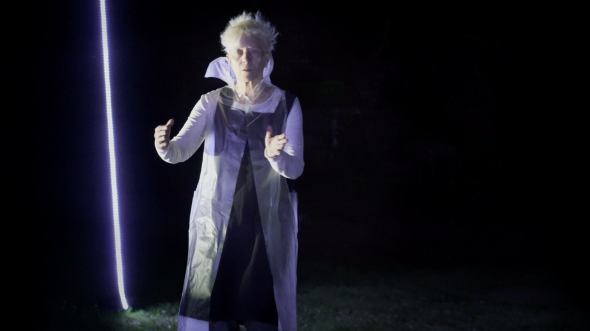
choreography & dance: Tess de Quincey, Victoria Hunt, Linda Luke
vocals: Sonya Holowell
sound composition: Ben Carey
lighting installation: Sian James-Holland
video projection: Samuel James
costume design: Melanie Liertz
videographer: Martin Fox
camera: Denis Beaubois
production team: Gordon Rymer with Jeremy Ainsworth, Kiara Smith, James Sutherland, Angela Tran
adviser: Bonney Djuric
concept & direction: Tess de Quincey
Can we be held captive in Australia’s first ‘site of conscience’?
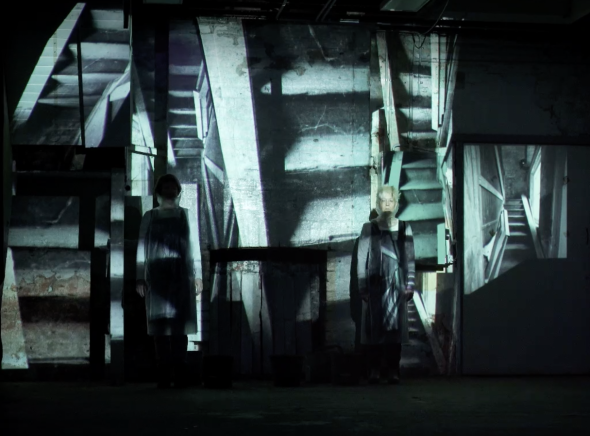
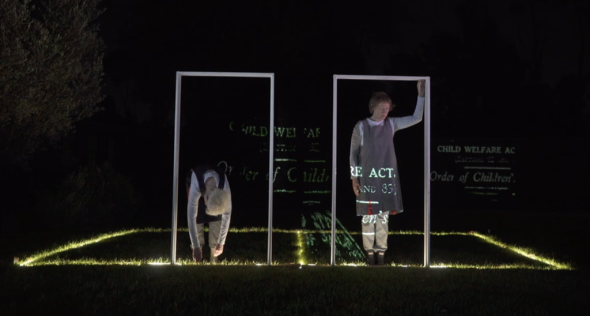
In 2020 and 2021 De Quincey Co worked in partnership with artist Bonney Djuric and Parragirls, an organisation of former residents of the Parramatta Girls Home, to develop a performance work in the Female Factory Precinct located on the upper reaches of the Parramatta River on the traditional lands of Darug Burramattagal people.
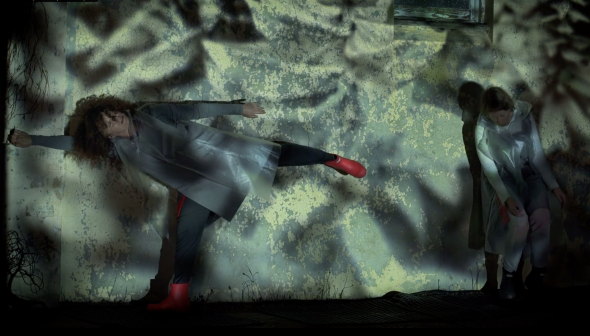
Up until 1974, in mist and smoke blowing from the Paramatta River, the inmates were consigned to the daily muster of marching, daily labour in the laundry, punishment in the isolation cells, and brutal abuse within the main correctional and sleeping facility – acknowledged by the Royal Commission into Institutional Responses to Child Sexual Abuse of 2014 – outside which the ancient Bunya trees, a relic of the Jurassic period, had long stood guardian and witness to this history behind the 4.5m high walls which kept females contained – not just for their physical safety, but also to ‘protect’ the colony from moral decay.
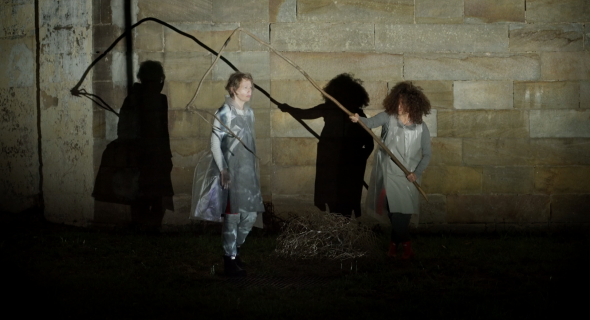
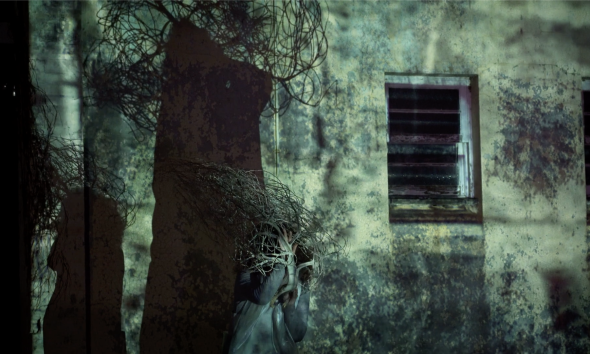
Bonney, as a former resident of Parramatta Girls’ Home, shared with us many details of daily life there amidst a large amount of evidence she has amassed, now passed on to Museums of History. Around the Norma Parker Detention Centre Site, writing scratched into the walls and timbers which could previously be found and which we have witnessed but have since been eviscerated, spelt out “ILWA” standing for “I Love Worship and Adore”, a phrase Bonney described as pivotal for all the girls. The acronym was a sign of friendship and hope between the girls who were abused, neglected and exploited by an institution which operated under the guise of a “welfare” system from 1887 to 1974.
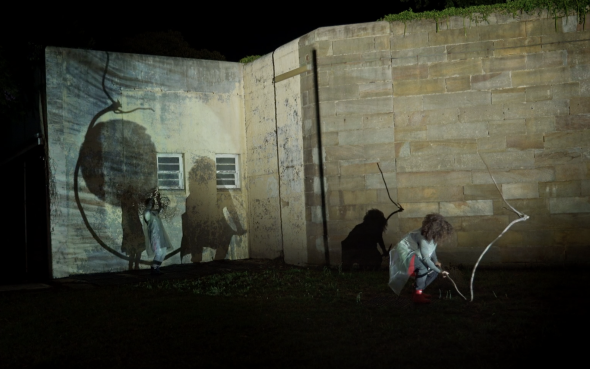
“The video works of the performances at the Parramatta colonial female prison are extraordinary – critically, visually, physically and aesthetically. They challenge expectations of how one represents the pain and horror of such places and defy categorisation of medium or discipline as the works exceed the parameters of each category’s limits…effortlessly crossing boundaries of imagination. The works push the limits of representation into a liminal space where the idea of performance floats freely between definition and signification, connected by a gut-wrenching emotional experience of pain that undermines the horrors of existing in such places that devastate the meaning of humanity.”
Nicholas Tsoutas
HISTORICAL BACKGROUND 1821-1974
In 1821, as the first purpose-built goal for women and the first convict female factory in Australia, the precinct was the first destination for female convicts and orphaned children; also ill, pregnant or unemployed women, then local Indigenous women and children, and later women from many different nationalities. Many thousands of women and children were forcibly housed, living and some dying here over the 200 years of institutional welfare in the care and custody of the state through its various guises – work-house, marriage bureau, labour hire depot, prison, lunatic asylum, orphan schools, and most recently a girls’ home. The precinct has particular significance for the Forgotten Australians and the Stolen Generations as the birthplace of interventionist welfare policy with the first forced removal of children from their mothers introduced in 1826. The records indicate how daily routines were designed to humiliate and control inmates, just as discipline was designed to break the spirit alongside many examples of brutal violence.
Bonney Djuric made the point to us that these practices continue around the world today.
Links to historical research sources:
Parramatta Female Factory Friends
Parramatta Female Factory Her Story Your Story
Department of Communities and Justice

